
Chamba Himachal
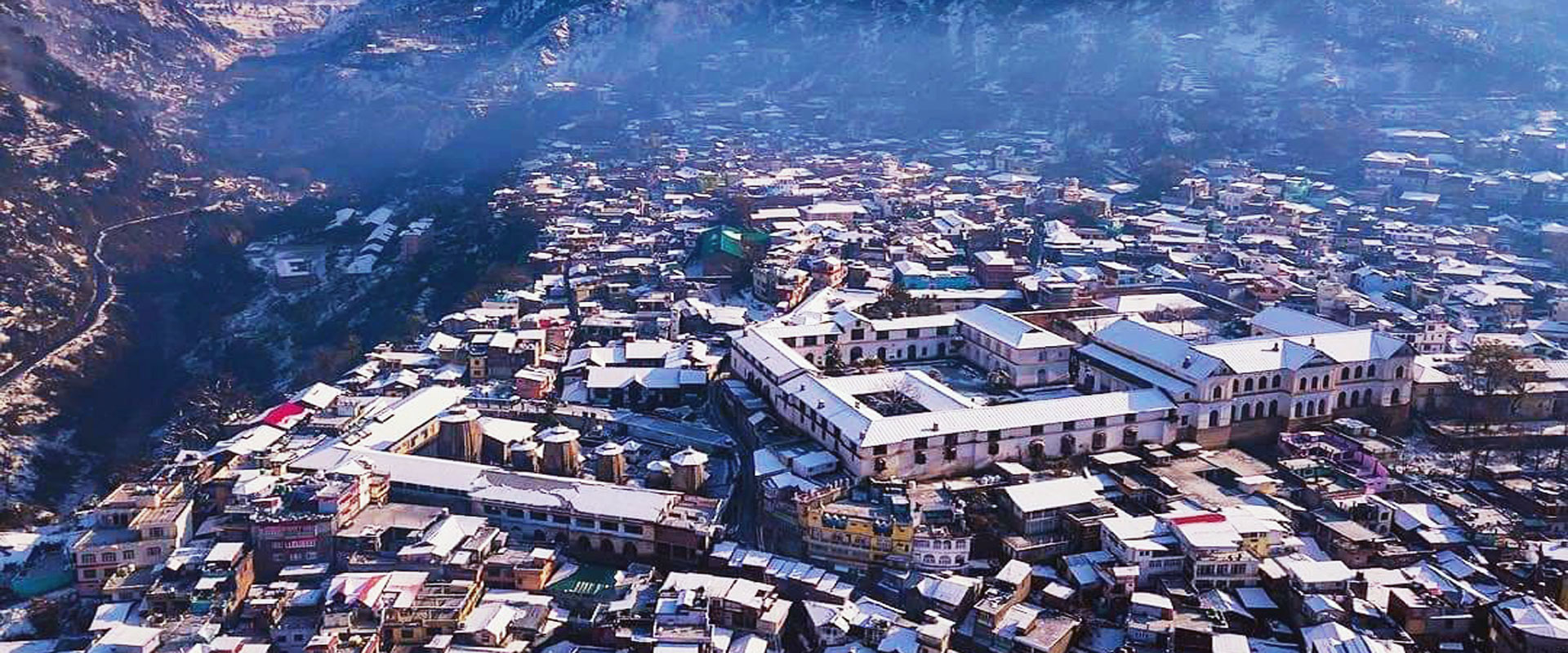
Chamba is an ancient city within the Chamba district in the state of Himachal Pradesh, situated in northern India. The altitude of Chamba is 996 metres (3,268 ft) from sea level and the city is located on the banks of the Ravi watercourse (a major tributary of the Trans-Himalayan Indus River), at its confluence with the Sal watercourse.The city features a sizable amount of temples and palaces, and hosts 2 in style jatras (fairs), the “Suhi Mata Mela” and therefore the “MinjarMela”, that last for many days and involve music and saltation. Chamba is additionally well noted for its arts and crafts, significantly its Paharipaintings, that originated within the Hill Kingdoms of North India between the seventeenth and nineteenth century and its handicrafts and textiles.Chamba has associate degree ancient history that is indivisible from that of the encircling district of Chamba. The earliest rulers were Kolian tribes following by the second century B.C. the Khasas and Audumbaras were in power within the region. Within the fourth century AD throughout the Gupta amount, the Thakurs and Ranas dominated. From the seventh century, the GurjaraPratiharas or the Hindu folk came into power.

Municipalities
Area of Chamba: 6528 sq. km
Population of Chamba: 4.60 lakh
Season to visit : One can plan a trip to chamba anytime of the year. Adventure tourists from all over the work like to undertake winter trekking in winter seasons between November to March when the higher mountains of the district are covered with snow clad and access to most of the villages is by foot.
How to reach Chamba: The road distance of Chambais approximately 52 kms from Dalhousie. You can also take a bit short route and your travelling distance will be reduced by 6 kmsvia Upper Barkota and Khajjiar road. Bus and taxi service is available throughout the year from Chamba to Pathankot, Dharamsala, Shimla, Chandigarh, Jammu.The closest railhead is at Pathankot, 118 km away.